Ramen, Sushi and Tempura: What to Ask Before You Order
Published: 2026-07-24 ・ Last updated: 2026-08-18
Ramen, sushi and tempura top most visitors' lists — and each genre hides its allergens in a different place. Here is what to ask, dish by dish.
One rule before any of them
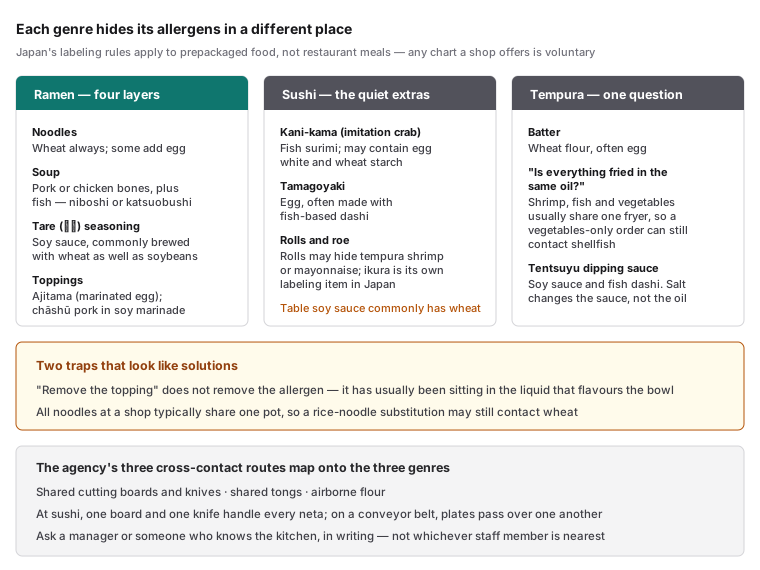
As of July 2026, Japan's allergen labeling rules apply to prepackaged foods, not restaurant meals: the Consumer Affairs Agency (CAA) states plainly that eating out carries no obligation to provide allergen information, and that any chart a shop offers voluntarily may differ in scope and freshness. The CAA also lists typical cross-contact routes — shared cutting boards and knives, shared tongs, and airborne flour. Keep those three in mind; they map neatly onto the three genres below. For the full framework, see eating out in Japan with food allergies.
Ramen: the bowl is a layered recipe
A bowl of ramen is four components, each with its own questions.
| Component | Common allergens to ask about |
|---|---|
| Noodles | Wheat always; made with kansui (かん水), and some noodles add egg |
| Soup | Pork or chicken bones, plus fish — niboshi (煮干し, dried sardines) or katsuobushi (かつお節, bonito flakes) |
| Tare (たれ) seasoning | Soy sauce, which is commonly brewed with wheat as well as soybeans |
| Toppings | Ajitama (味玉, marinated egg); chāshū (チャーシュー) pork simmered in a soy-based marinade |
Two traps. First, "remove the topping" does not remove the allergen: the egg or chāshū has usually been sitting in, or seasoned by, the same liquid that flavors the bowl. Second, all noodles at a shop typically share one pot of boiling water, so a rice-noodle substitution may still contact wheat. Gluten-free ramen exists but is the exception — ask, do not assume.
Sushi: the obvious fish and the quiet extras
Fish and shellfish are visible on the plate; the quieter items are not. Kani-kama (かに風味かまぼこ, imitation crab) is fish surimi and may contain egg white and wheat starch. Tamagoyaki (玉子焼き) is egg, often sweetened and made with fish-based dashi (だし). Rolls may hide tempura shrimp or mayonnaise, and roe such as ikura (いくら) is its own labeling item in Japan. The soy sauce on every table commonly contains wheat.
Cross-contact is structural: one cutting board and one knife handle every neta (ネタ, topping), and the CAA's own contamination example is trace shrimp on a shared board reaching other food. On a conveyor belt, plates pass over one another. The practical upside: major conveyor-belt sushi chains are among the most likely restaurants in Japan to publish menu-by-menu allergen charts — see how to read a Japanese chain's allergen chart, and look a chain up from our search page before choosing where to go.
Tempura: one question about the oil
Tempura batter is typically wheat flour and often egg. But the decisive question is the fryer: shrimp, fish and vegetables usually go into the same oil, so a "vegetables only" order can still contact shellfish through the oil and shared utensils. Ask: "Is everything fried in the same oil?" — for many shops the honest answer is yes. The tentsuyu (天つゆ) dipping sauce adds soy sauce (wheat and soy) and fish-based dashi; salt is sometimes offered as an alternative, but that only changes the sauce, not the oil.
Asking so the kitchen actually hears you
The CAA's advice for all three genres is the same: direct your question to a manager or someone who knows the kitchen, not whichever staff member is nearest, because "it's not in there" from a new hire can be wrong — and use written communication so the message reaches the cook. Phrasing and allergy-card tactics are in communicating allergies at Japanese restaurants, and the ingredient-level detail behind these dishes — dashi, soy sauce, buckwheat and more — is in hidden allergens in Japanese cuisine.
Chains publish charts; independent shops rely on conversation. Cross-contact can never be fully ruled out in any of these kitchens, and whether a given dish is safe for you personally is a question for you and your doctor — this guide only tells you what to ask.
References
This article is for general information purposes and is not medical advice. While we strive for accuracy, regulations and company disclosures may change. Always check the latest official information from the restaurant before eating.